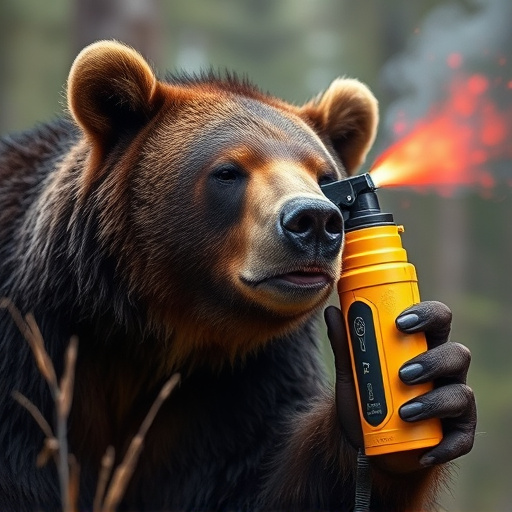
Understanding the Bear Spray Cloud Dispersal Range (3-40 meters) is crucial for effective bear defense. Factors like wind and terrain impact spray range, duration, and path. Strategically position within close proximity for maximum effectiveness, while identifying escape routes. Select bear spray with appropriate canister size, valve type, and active ingredient concentration for specific environmental conditions. Aim below the bear's nose level, spray quickly and liberally upon aggression or approach within 20-30 feet (6-10 meters) for optimal deterrence.
“Navigating the wild with bears? Understanding bear spray cloud dispersal range is crucial for your safety. This comprehensive guide explores the effectiveness of bear spray, delving into factors affecting its use and how to choose the right product for your needs. From best practices during encounters to ensuring a safe wilderness experience, this article equips you with essential knowledge. Learn how to maximize the bear spray cloud dispersal range and stay protected in diverse environments.”
- Understanding Bear Spray Cloud Dispersal Range
- Factors Affecting Effective Bear Spray Use
- Choosing the Right Bear Spray for Your Needs
- Best Practices for a Safe Wilderness Encounter
Understanding Bear Spray Cloud Dispersal Range
When considering bear spray as a defense mechanism during encounters in the wilderness, understanding the Bear Spray Cloud Dispersal Range is crucial. This ranges from 3 to 40 meters (10-130 feet), depending on various factors such as wind direction and atmospheric conditions. The cloud’s path can also be influenced by terrain; for instance, a narrow passageway might cause it to disperse more quickly or in an unexpected way.
Knowing this range allows users to position themselves strategically when facing a bear. It emphasizes the importance of staying within close proximity where the spray cloud is most effective while being mindful of potential escape routes. Understanding Bear Spray Cloud Dispersal Range empowers individuals to make informed decisions during such encounters, enhancing their safety in wild environments.
Factors Affecting Effective Bear Spray Use
Several factors play a crucial role in determining the effectiveness of bear spray during an encounter. One of the primary considerations is the bear spray cloud dispersal range. This refers to the distance at which the spray can effectively reach and deter an attacking bear. The range varies depending on several variables, including the type of spray, environmental conditions, and wind speed. For instance, a calm day with minimal wind can extend the effective range, allowing for better coverage against a charging bear.
Additionally, the angle of application is essential. Bear spray should be directed towards the bear’s face and eyes to maximize irritation. The closer the proximity between the user and the bear during an encounter, the greater the likelihood of successful deterrence. It’s also important to remember that bears have thick fur coats, so direct contact with the skin is necessary for the spray to be truly effective. Understanding these factors can significantly enhance safety measures during encounters in wild environments.
Choosing the Right Bear Spray for Your Needs
When selecting bear spray, understanding your specific needs and environmental factors is key. The primary consideration is the bear spray cloud dispersal range—the distance at which the spray can effectively deter an attack. This varies based on factors like canister size, valve type, and the concentration of active ingredients.
For example, a higher volume canister with a fine mist setting offers greater reach and coverage, ideal for open terrain. In contrast, a smaller canister with a stronger, direct stream is more suited for dense brush or tight spaces. Always check the manufacturer’s specifications regarding the estimated spray distance and ensure it aligns with your anticipated bear encounter scenarios to guarantee maximum effectiveness during a potential wildlife interaction.
Best Practices for a Safe Wilderness Encounter
When encountering a bear in the wilderness, prioritizing safety is paramount. The most effective defense against aggressive bears is prevention and proper preparation. One crucial tool for hikers and campers is bear spray, designed to deter and repel bears when used correctly.
For a safe encounter, practice responsible usage of bear spray by understanding its cloud dispersal range—typically around 20-30 feet (6-10 meters). Ensure the can is oriented towards the bear, aiming slightly below the animal’s nose level. Spraying should be done quickly and liberally when the bear shows signs of aggression or approaches within the effective range. Remember, practice makes perfect; familiarize yourself with the spray’s mechanism before venturing into bear country.
When navigating wilderness areas, understanding how bear spray cloud dispersal range influences its effectiveness is crucial. By considering factors like wind direction and speed, you can maximize the safety offered by your chosen bear spray. Selecting the right type tailored to your specific needs ensures a potent defense during unexpected encounters. Always follow best practices, such as proper application techniques, to ensure a safe wilderness experience. Remember, preparation and knowledge are key to navigating these encounters with confidence.