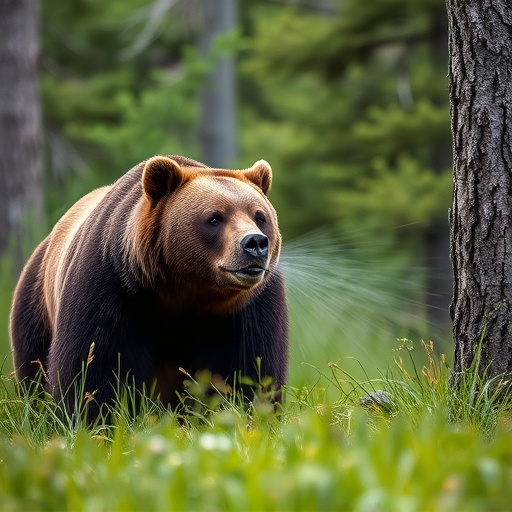
Bear spray, a non-lethal defense tool for Alaska's wilderness, creates an aerosol mist up to 30 feet (9 meters) to deter bears. Its effectiveness depends on distance, wind conditions, and proper technique – targeting the bear's face and eyes. Legal in Alaska, it's crucial for outdoor safety, but doesn't guarantee protection; training and knowledge of bear behavior are essential alongside responsible usage.
“In Alaska’s vast wilderness, encountering bears is a reality for outdoor enthusiasts. Understanding bear spray safety is paramount, as this potent tool can be a game-changer during encounters. Our article explores ‘Bear Spray Cloud Dispersal Range’ and its effectiveness in deterring bears. We delve into the science behind the spray’s dispersal, factors influencing its range, and crucial safety guidelines for application and storage. Additionally, we cover legal considerations and best practices for carrying bear spray responsibly in Alaska.”
- Understanding Bear Spray: A Vital Tool for Alaska's Wilderness
- The Science Behind Bear Spray Cloud Dispersal
- Factors Influencing Bear Spray Range: Distance and Wind
- Ensuring Safe Usage: Tips for Effective Application and Storage
- Legal Considerations and Best Practices for Carrying Bear Spray in Alaska
Understanding Bear Spray: A Vital Tool for Alaska's Wilderness
Bear spray is a crucial tool for anyone venturing into Alaska’s wilderness, offering a vital layer of protection against potential bear encounters. This powerful yet non-lethal self-defense mechanism is designed to create a disorienting spray cloud when activated. The range of bear spray—typically around 30 feet (9 meters)—ensures that users can effectively deter an approaching bear without causing harm.
Understanding how bear spray works and its limitations is key to responsible usage. The spray creates a momentary visual and respiratory impact, temporarily disrupting the bear’s behavior. However, it’s important to remember that bear spray is not a guarantee of safety; it should be used as a last resort when faced with an aggressive or surprised bear. Proper training and knowledge of bear behavior complement the use of this valuable wilderness safety tool.
The Science Behind Bear Spray Cloud Dispersal
The effectiveness of bear spray lies in its ability to create a cloud of potent chemicals that disrupt and deter aggressive bears. When deployed, the spray forms a dense aerosol mist that travels a considerable distance, known as the Bear Spray Cloud Dispersal Range. This range can vary based on factors like wind speed and direction, terrain, and humidity. Typically, bear spray can reach up to 30 feet (9 meters) in all directions, ensuring protection against potential attacks from multiple angles.
The key to a successful deterrent is the rapid dispersion of the spray cloud. The fine aerosol particles suspend in the air for an extended period, coating the bear’s fur and eyes, leading to irritation and temporary blindness. This disruption gives humans time to escape or defend themselves, making it a crucial safety measure when encountering bears in their natural habitat.
Factors Influencing Bear Spray Range: Distance and Wind
The effectiveness of bear spray is significantly influenced by two primary factors: distance and wind conditions. When a bear spray cloud disperses, its range can vary greatly depending on how far away the user is from the potential bear threat. Generally, bear spray has an optimal effective range of approximately 20 to 30 feet (6 to 9 meters), but this can be reduced or increased based on several environmental factors.
Wind plays a crucial role in determining the dispersion and reach of the bear spray cloud. Tailwinds can enhance the spray’s range, allowing it to travel farther and potentially reach bears at greater distances. Conversely, headwinds can limit the spray’s effectiveness by causing it to blow back towards the user or break up more quickly. Understanding these variables is essential for users to anticipate and ensure maximum protection during encounters with bears in the wild.
Ensuring Safe Usage: Tips for Effective Application and Storage
When using bear spray, understanding its cloud dispersal range is only the first step in ensuring safety. Proper application technique is equally crucial. Aim for the bear’s face and eyes, creating a large, overlapping misting motion as you move from side to side—this maximizes coverage within the effective range of 30 to 75 feet (9 to 23 meters). Practice making quick, even sprays in an open area to familiarize yourself with the spray pattern and distribution.
Storage is another key aspect of safe usage. Keep your bear spray in a cool, dry place away from direct sunlight or extreme heat, as these conditions can reduce its effectiveness. Always store it out of reach of children and pets, and ensure that everyone in your group knows its location and how to use it in case of an encounter. Regularly check the expiration date and replace the spray according to manufacturer recommendations to guarantee optimal performance when needed.
Legal Considerations and Best Practices for Carrying Bear Spray in Alaska
In Alaska, carrying bear spray is both a legal requirement and an essential safety measure for outdoor enthusiasts, especially when venturing into bear country. It’s crucial to understand the local regulations regarding the type, quantity, and storage of bear spray. The state law allows individuals to carry one 24-ounce (710 ml) canister of bear spray, ensuring it meets certain standards for efficacy and safety. Bear spray is designed to create a cloud with a dispersal range of up to 30 feet (9 meters), providing a critical buffer zone during potential encounters.
Best practices for carrying bear spray include keeping it readily accessible, preferably on your waist or in an easily reachable pack pocket. Ensure the nozzle is not obstructed and the spray mechanism is tested regularly. Always keep bear spray out of reach of children and pets. When facing a bear, stay calm, raise the canister above your head to increase visibility, and spray towards the bear’s face and eyes at close range (5-7 feet or 1.5-2 meters). Remember, practice and familiarization with the spray’s operation are vital to ensure its effectiveness during an actual encounter.
In conclusion, bear spray is a crucial tool for navigating Alaska’s wilderness, with its cloud dispersal range significantly influenced by distance and wind. By understanding the science behind bear spray and adhering to safe usage practices, including proper application and storage, Alaskans and visitors can maximize its effectiveness. Additionally, being aware of legal considerations and best practices for carrying bear spray ensures a safer experience in bear country.